
Over the past decade, truck and SUV customization has shifted from a niche hobby into one of the fastest-growing sectors of the global automotive industry. What once was confined to rugged backcountry trails and specialized off-road rallies has officially captured mainstream consumer culture. Today, daily commuters, weekend overland enthusiasts, and professional fleet owners alike are investing heavily in aggressive stances, improved ground clearance, and enhanced all-terrain performance.
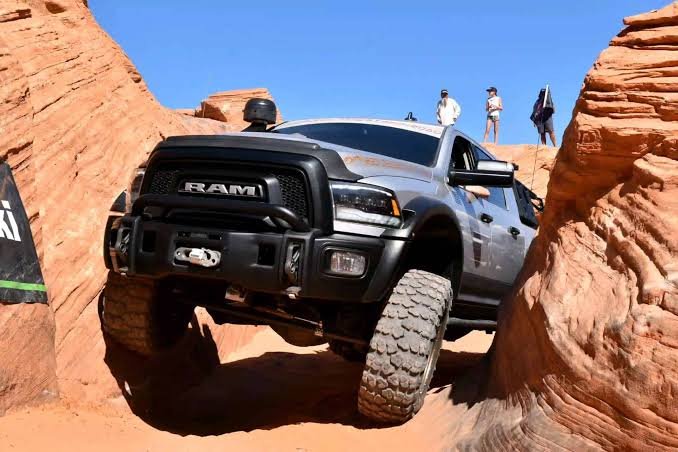
At the epicenter of this modern automotive movement is the suspension lift kit. By re-engineering a vehicle’s geometry, lift kits allow drivers to fit larger tires, clear formidable obstacles, and achieve a commanding road presence. However, premium off-road modifications traditionally required thousands of dollars upfront—a financial barrier that kept many enthusiasts on the sidelines. Today, the rise of accessible payment models has revolutionized how owners upgrade their vehicles, making high-end lift kits with financing an increasingly popular choice for truck owners aiming to build their dream rig without breaking the bank.
1. The Overlanding and Off-Road Renaissance
To understand the surge in vehicle customization, one must look at the cultural shift toward outdoor lifestyle adventure and overlanding. Overlanding—self-reliant travel to remote destinations where the journey is the primary goal—has exploded across social media and mainstream media.
Unlike traditional rock crawling, overlanding prioritizes vehicle durability, payload capacity, and long-range comfort over technical obstacle clearance. Enthusiasts equip their vehicles with heavy-duty rooftop tents, integrated kitchen systems, auxiliary power stations, and recovery equipment. To handle this additional sprung weight while maintaining stability across washboard gravel, mud, and desert dunes, upgrading the vehicle’s baseline suspension system becomes non-negotiable.
Why Factory Suspensions Fall Short
Factory truck suspensions are built with compromises in mind. Automakers tune baseline setups to maximize fuel economy, minimize production costs, and deliver a smooth ride on smooth asphalt. When subject to heavy loads or technical trails, stock suspension components experience:
- Excessive Sag: Added weight reduces suspension travel and lowers ground clearance.
- Bottoming Out: Soft shocks fail to absorb severe impacts from rutted roads.
- Poor Articulation: Limited wheel travel prevents tires from maintaining contact with uneven ground.
A dedicated suspension lift kit solves these fundamental limitations by replacing stock shocks, springs, control arms, and linkages with heavy-duty aftermarket engineering designed explicitly for severe-duty service.
2. Technical Breakdown: Body Lifts vs. Suspension Lifts
When entering the world of vehicle modification, truck owners quickly encounter two primary methods for raising a vehicle: body lifts and suspension lifts. Understanding the technical differences between these systems is essential for achieving the desired aesthetic and mechanical outcomes.
| Feature / Upgrade | Body Lift Kits | Suspension Lift Kits |
|---|---|---|
| Primary Mechanism | Elevates truck body off the frame using high-density spacers | Replaces factory shocks, springs, and control arms |
| Ground Clearance | Minimal (leaves axles and frame at stock height) | Significant (raises frame, drivetrain, and undercarriage) |
| Performance Gain | Cosmetic only; allows slightly larger tire fitment | Enhanced wheel articulation, dampening, and approach angles |
| Cost Range | $200 – $600 | $1,000 – $5,000+ |
| Installation Complexity | Low to Moderate | Moderate to High (requires alignment & geometry checks) |
Understanding Suspension Lift Mechanics
Suspension lift kits actively re-engineer the vehicle’s dynamic behavior. By incorporating coilovers with remote reservoirs, progressive leaf springs, and high-clearance subframes, a quality suspension lift alters several key off-road parameters:
- Approach, Departure, and Breakover Angles: Lifting the chassis increases the steepness of inclines a vehicle can approach or descend without scraping front bumpers, rear hitches, or belly pans.
- Wheel Articulation (Flex): Upgraded control arms and sway bar disconnects allow wheels to extend deeper into rutted terrain, keeping tread stuck to the ground for optimal traction.
- Tire Size Clearance: Taller suspensions make room for 35-inch, 37-inch, or larger mud-terrain tires, which physically elevate axle differentials further away from rocks and debris.
3. The Economic Shift: Bridging the Gap with Flexible Financing
While the benefits of aftermarket suspension builds are undeniable, cost has historically been a primary obstacle. A complete build—combining a multi-inch suspension lift, high-performance shocks, heavy-duty wheels, all-terrain tires, and professional installation—can quickly accumulate costs ranging from $3,000 to over $8,000.
In response to consumer demand, the automotive aftermarket sector has undergone a financial revolution. Modern e-commerce platforms and specialty retailers now provide tailored payment solutions that allow truck owners to break down high-ticket build costs into manageable monthly installments.
Key Advantages of Financing Vehicle Upgrades
- Preserving Cash Flow: Rather than liquidating savings or depleting emergency funds, builders can distribute costs predictably over 12, 24, or 36 months.
- Bundling Complete Packages: Financing enables buyers to purchase a complete, safe modification package all at once (including lift, wheels, tires, and alignment hardware) rather than piecemeal upgrades that compromise performance.
- Access to Premium Brands: Flexible terms allow builders to select top-tier, precision-engineered shock systems (such as Fox, King, or Bilstein) that offer superior long-term reliability compared to budget alternatives.
- No-Credit-Needed and Soft Pull Options: Modern financial tools frequently provide accessible entry points for builders with varying credit profiles, removing traditional banking hurdles.
4. Key Factors to Consider Before Lifting Your Truck
Before purchasing suspension components, owners should evaluate several practical factors to ensure the final build meets both off-road expectations and daily driving requirements.
Geometry and Drivetrain Alignment
Lifting a vehicle alters the factory drive angles. When a vehicle is raised beyond 2 to 3 inches, components such as driveshafts, CV axles, steerknuckles, and pitman arms operate at steeper angles. Proper kits include drop brackets, extended sway bar links, and adjustable track bars to maintain factory steering geometry and prevent premature wear on u-joints and ball joints.
Electronic Safety Systems (ADAS)
Modern trucks come standard with Advanced Driver Assistance Systems, including lane-keeping assist, adaptive cruise control, and automatic emergency braking. Because these systems rely on bumper sensors and windshield cameras calibrated to factory ride heights, lifting a vehicle may necessitate recalibrating these sensors to ensure active safety features function accurately.
Re-Gearing for Larger Tires
Pairing a lift kit with substantially larger tires changes the effective final drive ratio of your drivetrain. To restore factory acceleration, towing capacity, and fuel efficiency, many truck owners opt to re-gear their front and rear differentials with higher-numerical ring and pinion gear sets.
The Future of Truck Customization
As electric trucks and hybrid powertrains continue entering the marketplace, the aftermarket industry is evolving rapidly. Modular suspension designs, active electronic dampening control, and lightweight high-strength alloys are setting new benchmarks for off-road performance.
Whether your goal is navigating extreme wilderness trails or simply creating a head-turning daily driver, investing in a properly designed suspension system provides the cornerstone for any successful truck build. With modern financing solutions making premium components more accessible than ever, converting a factory vehicle into a capable, customized off-road machine is now within reach for enthusiasts nationwide.