
For decades, evaluating a residential or commercial roof involved a simple ladder, a harness, and a clip-board-wielding inspector pacing across steep slopes. While physical visual assessments remain useful, traditional methods carry intrinsic limitations: human error, safety risks on steep pitches, and an inability to detect hidden moisture trapped beneath top material layers.
As smart home maintenance trends accelerate, high-tech inspection technologies are revolutionizing the real estate and building protection industries. High-definition aerial drone photography, thermal infrared moisture mapping, and AI-driven damage analytics are changing how property owners maintain their largest financial investment.
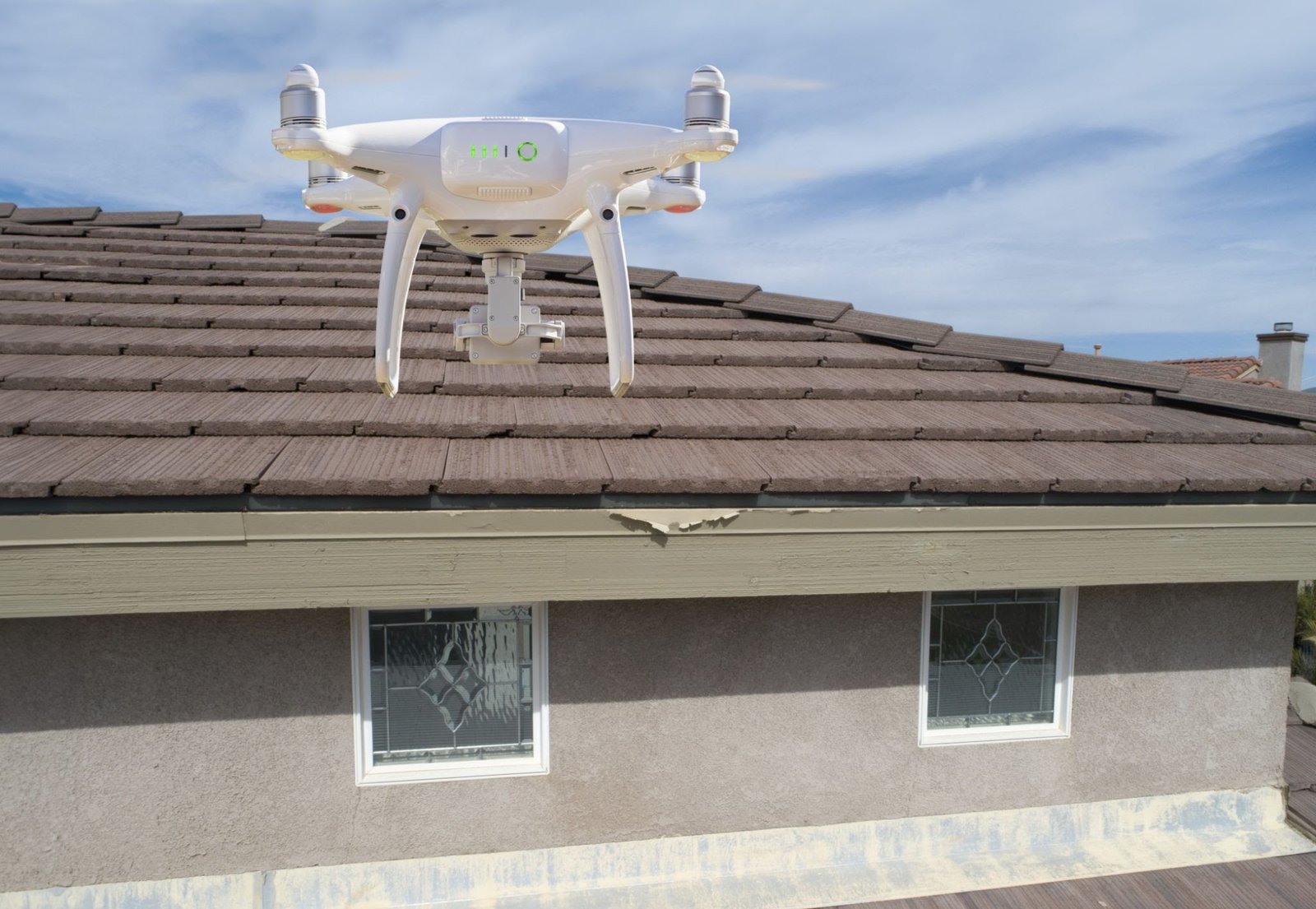
1. The Rise of Aerial Drones in Roof Inspections
Unmanned Aerial Vehicles (UAVs) equipped with high-resolution 4K cameras have quickly become standard tools for progressive home inspectors and roofing contractors. Drones offer distinct advantages over old-school manual roof walks:
- Unmatched Safety: Eliminates the physical danger of walking steep-slope, tile, slate, or ice-covered roofs.
- Comprehensive Coverage: Captures thousands of ultra-high-definition images from angles impossible to see from a standard ladder position.
- Precision Zoom and 3D Modeling: Advanced camera sensors zoom in to inspect individual nail heads, flashing seals, and chimney mortar joints without disturbing fragile roofing tiles.
- Fast Execution: A thorough aerial scan of a complex, multi-gabled roof takes less than 20 minutes compared to several hours of manual rigging.
Drone scans feed software that creates high-resolution 3D digital twins of the roof structure. These digital models map accurate measurements down to the millimeter, streamlining architectural estimates and insurance claim documentation.
2. Seeing the Unseen: Thermal Infrared Moisture Detection
While aerial photos capture visible surface flaws like missing shingles or hail marks, infrared (FLIR) thermal imaging reveals hidden damage beneath the surface. Thermal cameras operate by measuring radiative heat signatures off building materials.
| Inspection Focus | Visual Drone Scanning | Thermal Infrared Imaging |
|---|---|---|
| Primary Goal | Surface defects & physical wear | Sub-surface leaks & insulation health |
| Best Detects | Broken shingles, bent flashing, hail dents | Wet underlayment, heat loss, trapped moisture |
| Ideal Timing | Bright daylight conditions | Sunset or early evening (thermal transition) |
| Deliverable | High-definition photographic maps | Heat-map color gradient analysis |
During the day, a roof absorbs solar heat. As ambient temperatures drop after sunset, dry areas lose heat quickly, while trapped moisture retains heat longer due to water’s high thermal mass. On a thermal camera display, wet underlayment or saturated deck insulation glows as a bright hot spot. This non-destructive technology allows inspectors to isolate exact leak pathways without tearing away sound shingles.
Scheduling a comprehensive roof inspection Denver using thermal technology gives homeowners precise data on concealed moisture, preventing mold outbreaks before interior drywall damage ever appears.
3. When Should You Schedule a Professional Inspection?
Maintaining a resilient home requires proactive diagnostic routines rather than waiting for ceiling stains to appear. Industry experts recommend scheduling a thorough roof assessment under the following key circumstances:
- After Major Weather Events: Severe hail, high-wind storms, or heavy winter ice loads can cause immediate structural damage that isn’t visible from ground level.
- Prior to Buying or Selling Property: Standard home inspectors often view roofs from ground level with binoculars. A dedicated roofing diagnostic provides a thorough, documented health report that protects buyers and strengthens seller disclosures.
- Annual Spring Maintenance: Annual inspections identify minor aging issues—such as cracked vent boots or weathered sealant—allowing low-cost preventative maintenance before summer storms arrive.
- Before Solar Panel Installation: Installing solar panels over an aging or compromised roof leads to expensive removal fees if repairs are required later. An inspection ensures the structure will last the 25-year lifecycle of the solar array.
Integrating modern aerial drone scans and thermal imaging into your regular property maintenance checklist provides total transparency, preserves structural health, and maximizes your roof’s service life.