
In an era where gigabit connectivity underpins everything from remote workforce operations to smart city infrastructure, traditional broadband delivery methods are facing an unprecedented challenge. For decades, fiber-optic and coaxial cable deployments were considered the gold standard of high-speed internet. However, as urban centers expand, business demands accelerate, and civil infrastructure projects become increasingly costly and complex, a powerful technology has emerged as a primary driver of the next connectivity revolution: Fixed Wireless Access (FWA).
Driven by advances in 5G, millimeter-wave (mmWave) frequencies, and high-capacity radio spectrums, fixed wireless access is no longer merely a rural alternative to landlines. It has transformed into a high-throughput, low-latency enterprise solution capable of competing directly with—and in many cases outperforming—traditional fiber infrastructure.
Understanding Fixed Wireless Access (FWA)
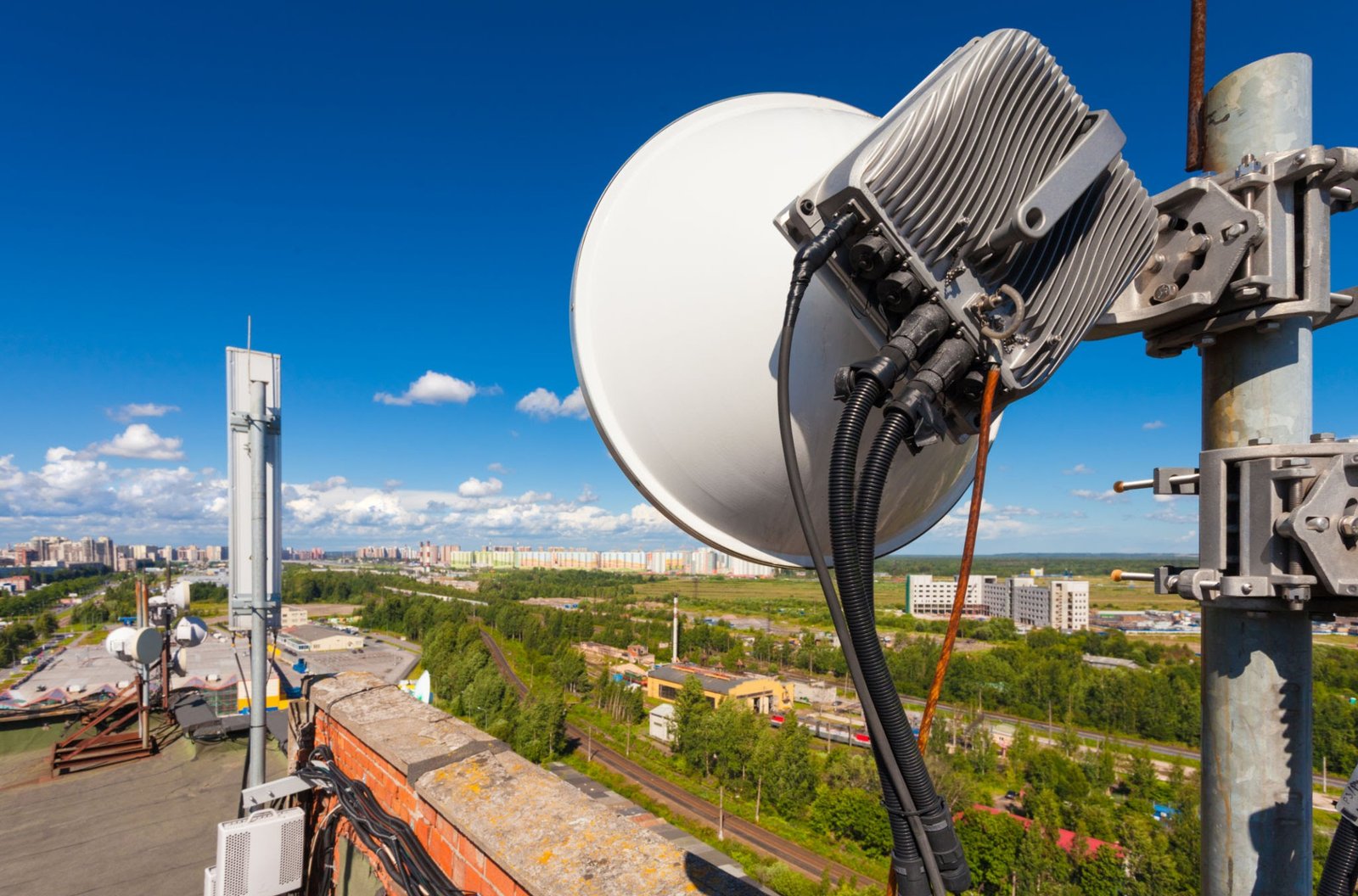
At its core, fixed wireless access delivers high-speed broadband internet directly between two fixed locations using point-to-point or point-to-multipoint radio signals. Unlike mobile wireless networks—which transmit signals to continuously moving smartphones across wide geographic cells—FWA establishes a focused, dedicated wireless bridge between a central service tower or access site and a receiver dish mounted on a customer’s building or roof.
Because the endpoints remain stationary, engineers can optimize line-of-sight signal paths, direct microwave or millimeter-wave beams, and eliminate the interference typically associated with mobile cellular networks. The result is a rock-solid connection capable of delivering symmetrical upload and download speeds, ultra-low latency, and enterprise-grade reliability without laying a single foot of underground cable.
The Drivers Behind the Fixed Wireless Boom
Several key macroeconomic and technological trends have accelerated the adoption of fixed wireless solutions across North American metropolitan areas:
1. The Friction of Underground Fiber Deployment
Laying underground fiber optic cables in mature urban landscapes requires extensive capital expenditure, municipal permitting, traffic disruption, and months—sometimes years—of construction. In dense commercial zones, tearing up city streets or negotiating conduit access within historic buildings introduces friction that delays business operations. Fixed wireless bypasses these civil engineering hurdles, allowing high-capacity networks to be deployed in days rather than months.
2. High-Speed 5G and Spectrum Expansion
The rollout of mid-band and high-band 5G spectrums, combined with unlicensed Citizens Broadband Radio Service (CBRS) bands, has vastly increased wireless bandwidth capacity. Modern FWA networks can comfortably deliver speeds ranging from several hundred megabits per second (Mbps) to multiple gigabits per second (Gbps), matching fiber capabilities while preserving operational flexibility.
3. Business Continuity and Redundancy Needs
In today’s cloud-dependent economy, a few minutes of internet downtime can cause thousands of dollars in lost revenue. Forward-thinking enterprises no longer rely on a single physical connection entering their building. Because traditional fiber paths often share the same underground conduit lines, a single stray backhoe can cut off multiple wired providers at once. Fixed wireless serves as a completely air-gapped, independent primary or secondary link, delivering true network diversity.
Transforming Urban Landscapes: The Case for Metro Markets
Metropolitan hubs across the Midwest and Rust Belt are undergoing significant digital revamps. Cities with rich industrial heritage and rapidly growing tech hubs require fast, scalable broadband to support modern logistics, advanced manufacturing, co-working spaces, and fintech ventures.
In major economic hubs, access to high-speed fixed wireless internet Detroit has proven instrumental in powering local commerce and filling infrastructure gaps. In areas where legacy telecom infrastructure is aging or where fiber build-outs are cost-prohibitive, fixed wireless provides an immediate high-speed bridge, ensuring commercial districts and urban redevelopments maintain uninterrupted connectivity.
       ┌────────────────────────┐
       │   Central Data Node    │
       └───────────┬────────────┘
                   │ High-Speed Fiber Backbone
                   ▼
       ┌────────────────────────┐
       │  High-Altitude Tower / │
       │  Base Transceiver      │
       └───────────┬────────────┘
                   │
         Wireless Beam Transmission (Air)
                   │
         ┌─────────┴─────────┐
         ▼                   ▼
┌──────────────────┐ ┌──────────────────┐
│ Enterprise Site  │ │ Multi-Tenant Hub │
│ Roof Receiver    │ │ Roof Receiver    │
└──────────────────┘ └──────────────────┘
Key Advantages: Fixed Wireless vs. Traditional Wired Fiber
When evaluating infrastructure upgrades, network architects and enterprise IT leaders compare several operational metrics:
| Operational Metric | Fixed Wireless Access (FWA) | Traditional Cable / Fiber |
|---|---|---|
| Deployment Timeline | Rapid (Days to weeks) | Slow (Months to over a year) |
| Physical Infrastructure Risk | Low (No risk of street cable cuts) | Moderate to High (Vulnerable to dig-ups) |
| Installation Costs | Low (Minimal civil engineering) | High (Trenching, permits, fiber pulling) |
| Path Diversity | Complete (True wireless air gap) | Limited (Shared physical conduits) |
| Scalability | Instant (Software-configurable bandwidth) | Hardware-dependent |
Rapid Time-to-Market
For commercial real estate developers, construction firms, or growing startups, speed of deployment is paramount. Waiting six months for an incumbent telephone or cable company to construct a fiber drop to a new facility can stall tenant move-ins and delay business launches. A qualified Detroit fixed wireless provider can engineer, mount, and activate a gigabit-capable microwave or millimeter-wave link in a fraction of that time.
Symmetrical Speeds and Low Latency
Historical wireless connections often suffered from asymmetrical bandwidth—offering fast download speeds but sluggish upload capacity. Modern enterprise-grade fixed wireless networks utilize dedicated point-to-point microwave hardware that delivers true symmetrical bandwidth. This guarantees that video conferencing, large cloud database backups, voice-over-IP (VoIP) streams, and real-time remote collaboration tools function without throttling or packet loss.
Strategic Applications Across Industries
Fixed wireless access has moved far beyond simple fallback connections. It is actively serving as primary infrastructure across a range of high-demand sectors:
- Healthcare: Hospitals and medical clinics require high-bandwidth connections to transmit massive medical imaging files (such as MRI and CT scans) instantly while maintaining strict HIPAA compliance and zero-downtime redundancy.
- Education and Campuses: Multi-building school districts and university campuses utilize fixed wireless to bridge buildings across public roads without needing expensive private trenching permits.
- Financial Services: High-frequency trading firms and banking hubs leverage the low latency of direct point-to-point microwave beams, which can travel through the air faster than light travels through glass fiber cables.
- Construction & Temporary Operations: Job sites, pop-up events, and temporary commercial facilities gain enterprise connectivity without signing long-term wired contracts or waiting for physical utilities to be laid down.
Looking Ahead: The Future of Urban Connectivity
As smart city technologies mature, the density of connected devices will multiply exponentially. Autonomous vehicle networks, smart traffic management systems, public safety cameras, and IoT environmental sensors will all demand real-time data processing.
Fixed wireless access will serve as the invisible backbone of this connected future. By combining beamforming technology, AI-driven dynamic spectrum allocation, and multi-gigabit hardware, fixed wireless providers are positioning themselves as vital partners in municipal and commercial development.
For businesses and property managers aiming to future-proof their digital infrastructure, integrating fixed wireless is no longer just an alternative choice—it is a cornerstone strategy for building resilient, high-speed, and adaptable communication networks.